San Andreas, CA… Effective 8:00 AM, Saturday, November 10, 2012
The California Department of Forestry and Fire Protection (CAL FIRE) announces restriction on burn hours will be lifted on permissive burn days on private lands within the Tuolumne-Calaveras Unit. This includes the counties of Calaveras, Tuolumne, and those eastern portions of San Joaquin and Stanislaus that are within the State Responsibility Area. Lifting the burn hour restrictions also applies to lands within the Direct Protection Area (DPA) of the Stanislaus National Forest. …
Burn permits are required, which means pile size is still restricted to four foot by four foot. Even with the cooler weather and forecasted rain a fire can still escape. It is critical that the person conducting the burn keep close watch on the fire at all times. If the fire gets away, that person can be held liable for the damage and suppression costs.
Tuolumne-Calaveras Unit Chief Brian Kirk adds “Open hours burning on permissive burn days allows home owners to burn debris created while working on 100 feet of defensible space. As we head into the fall season and permissive burn days increase watch your local weather and do not burn or plan to burn on high, gusty windy days.”
It is the landowner’s responsibility to check with the local Air Pollution Control District for permissive days by calling the local APCD office. Pre-recorded information for each county is available at the following phone numbers:
APCD – Calaveras County (209) 754-6600
APCD – Tuolumne County (209) 533-5598
San Joaquin – 1-877-429-2876
Stanislaus NF–DPA Burn Day Information (209) 532-5601
Even though last winter was mild in terms of precipitation, record snow fall over the winter of 2010/2011 brought a lot of grief to those who travel in the Sierras. One way you can get to your mountain destination safely is to plan your trip, know the conditions, and be prepared. The first step in being prepared is to make sure your vehicle is ready for the hard winter conditions ahead.
AAA recommends the following to help get ready for winter:
Winter Car Care Checklist
Battery and Charging System– Have the battery and charging system tested by a trained technician. A fully charged battery in good condition is required to start an engine in cold weather. AAA members can request a visit from an AAA Mobile Battery Service technician who will test their battery and replace it on-site, if necessary. AAA Approved Auto Repair facilities can also test and replace weak batteries.
Battery Cables and Terminals– Check the condition of the battery cables and terminals. Make sure all connections are secure and remove any corrosion from the terminals and posts.
Drive Belts– Inspect belts for cracks or fraying. Don’t just look at the smooth top surface of the belt, but turn it over and check the grooved underside where most belt wear occurs.
Engine Hoses–Visually inspect the cooling system hoses for leaks, cracks or loose clamps. Also, squeeze the hoses to check for any that may be brittle or excessively spongy feeling and in need of replacement.
Tire Type and Tread– In areas with heavy winter weather, changing to snow tires on all four wheels will provide the best winter traction. All-season tires will work well in light to moderate snow conditions, providing they have adequate tread depth. If any tire has less than 3/32-inches of tread, it should be replaced. Uneven wear on the tires can indicate alignment, suspension or wheel balance problems that should be addressed to prevent further damage to the tires.
Tire Pressure– Check tire pressure more frequently during winter months. As the temperature drops, so will the pressures in the tires — typically 1 PSI for every 10 degrees Fahrenheit. The proper tire pressure levels can be found on a sticker located on the driver’s side door jamb. And, don’t forget to check the spare.
Air Filter– Check the engine’s air filter by holding it up to a 60-watt light bulb. If light can be seen through much of the filter, it is still clean enough to work effectively. However, if the light is blocked by most of the filter, replace it.
Coolant Levels– Check the coolant level when the engine is cold. If the coolant level is low, add a 50/50 solution of coolant and water to maintain the necessary antifreeze capability. The level of antifreeze protection can be checked with an inexpensive tester available at any auto parts store.
Lights– Check the operation of all headlights, taillights, emergency flashers, turn signals, brake lights and back-up lights. Replace any burnt out bulbs.
Wiper Blades – Blades should completely clear the glass with each swipe.
Replace blades that leave streaks or miss spots. In areas with snowy conditions, consider installing winter wiper blades that wrap the blade in a rubber boot to prevent ice and snow buildup that can prevent good contact between the rubber blade and the glass.
Washer Fluid– Fill the windshield washer fluid reservoir with a cleaning solution that has antifreeze components for cold weather use.
Brakes– Have brakes inspected by a certified technician to ensure all components are in good working order.
Transmission, Brake and Power Steering Fluids– Check all fluids to ensure they are at or above the minimum safe levels.
Emergency Road Kit – Update the car’s emergency kit for winter weather. The kit should include: – Bag of abrasive material (sand, salt, cat litter) or traction mats – Snow shovel – Snow brush – Flashlight with extra batteries – Window washer solvent – Ice scraper – Cloth or roll of paper towels – Jumper cables – Gloves, hats and blankets – Warning devices (flares or triangles) – Drinking water – Non-perishable snacks (energy or granola bars) – Extra clothes – First-aid kit – Basic toolkit (screwdrivers, pliers, adjustable wrench) – Mobile phone and car charger with important numbers programmed in it, including a roadside assistance provider
Well, not quite, but we know that the Holidays are busy for everyone. We wanted to announce this early in order to give ample opportunity to RSVP to anyone who may want to go. Last year’s event was a great successand we hope that you can attend this year’s event.
Come and celebrate the Holidays with your Lilac Park neighbors. If you don’t know any, this is a great opportunity to get to meet some new people who live in your community.
WHAT: Christmas Dinner and Party Dress is “dinner casual,” this is NOT a coat and tie affair. After all, we’re in the mountains.
WHO: Lilac Park Residents and their guests As a dinner party, this is a night for adults to “get-away” before the frenetic Christmas Holiday.
WHERE: The Snowflake Lodge, Blue Lake Springs
Click HERE for a map to the Snowflake Lodge in Blue Lake Springs. The lodge is right next to the tennis courts.
WHEN: Saturday, December 1, 2011
Drinks at 5:30, dinner will be served at 6:30. Ends: Around 9:30 – 10:00
This is a BYOB event and as of this posting, NO decanting/cork fees will be charged.
HOW MUCH: Estimated cost per plate is approximately $30, which includes desert and tip. Menu TBA, but last year included a chicken, fish, and pasta dish.
More information to follow.
RSVP: Please RSVP by November 24, 2011 by clicking below and filling out the short form so we can let the Snowflake Lodge know how many to expect.
Please RSVP to info@arnoldlilacparkhoa.org
or call 209.795.3807 and leave a message with your name and how many that will be in your group.
Many homeowners are opting to install a portable or permanent whole house generator to keep the lights on during the heaviest winter storms that often blow through our area.
If you are considering the installation of a generator to your home, please do your homework to ensure that your installation is correct. Improper installation can be life threatening to both you and to PG & E linemen working on downed power lines during a storm. It’s best to have your new generator installed by a licensed electrical contractor familiar with generator installation.
Even though these web sites are from areas far away from here, people that live in these areas use generators frequently because of very harsh weather.
As of today, Sunday, September 16, the ALPHA swimming pool is closed for the season.
Air temperatures at night have been dropping into the 40’s and the solar panels are only getting about 3 hours of sun in the mid-afternoon. At last check, the pool temperature was only 67 degrees … chilly.
This year saw a big jump in pool use. Almost 80 lot owners used the pool an average of 7 times each resulting in just shy of 1350 bathers this season. We’re not sure because earlier records aren’t that accurate, but several people seem to think that the pool saw record use this year.
We look forward to next year and hope to see you at the pool!
The Summer / Fall 2012 edition of the Treetop Times, ALPHA’s newsletter, has been published to the web site. Click ‘Newsletter’ on the menu bar above then select the Summer / Fall 2012 edition.
The Treetop Times is published in Adobe PDF format, which requires the Adobe Reader. Get the Adobe Reader free by clicking here.
Paper copies of the Tree Top Times went out on Friday to homeowners who don’t receive email.
The State Responsibility Area (SRA) Fire Prevention Benefit Fee was enacted following the signing of Assembly Bill X1 29 in July 2011. The law approved the new annual Fire Prevention Fee to pay for fire prevention services within the SRA. The fee is applied to all habitable structures within the SRA.
Lilac Park falls within the SRA and lot owners are subject to this fee. At present, Lilac Park does not have a form opinion about this fee, though the consensus among homeowners is that the fee was unfairly levied against those in rural areas. Several groups and associations have filed lawsuits to overturn this fee, but none have gone to trial as yet. Lilac Park Homeowners Association will monitor these cases and keep ALPHA residents up to speed as information becomes available.
The fee, signed by Gov. Jerry Brown last year, is intended to raise an estimated $84 million in its first year for fire-prevention efforts. The annual charge can run as high as $150 for property owners with a single occupied dwelling, although there is a $35 discount for those who already pay a local tax for fire protection.
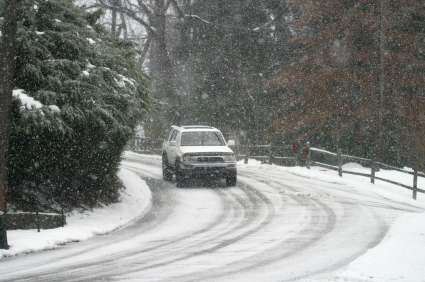 Even though last winter was mild in terms of precipitation, record snow fall over the winter of 2010/2011 brought a lot of grief to those who travel in the Sierras. One way you can get to your mountain destination safely is to plan your trip, know the conditions, and be prepared. The first step in being prepared is to make sure your vehicle is ready for the hard winter conditions ahead.
 The ALPHA Board of Directors will be meeting on Saturday, November 3, 2012 at 10:00am, at the Arnold Public Library.
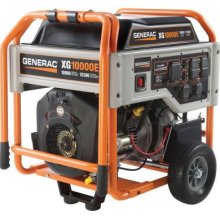 Many homeowners are opting to install a portable or permanent whole house generator to keep the lights on during the heaviest winter storms that often blow through our area.